Powerful Interview Tips for Beginners to Impress Employers and Get Hired Faster
For many beginners, job interviews can feel intimidating and stressful. Whether you’re a student, a recent graduate, or starting your first professional role, facing an interviewer for the first time can create uncertainty. The good news is that proper preparation and the right Interview Tips can make a huge difference in how confident and prepared you feel during the interview process.
In today’s competitive job market, employers often receive dozens, and sometimes hundreds, of applications for a single position. This means candidates need more than just a good resume to stand out. Learning practical interview tips helps you communicate your skills clearly, present yourself professionally, and leave a positive impression on hiring managers.
Table of Contents
This guide will walk you through simple and effective interview preparation strategies designed specifically for beginners. By understanding how interviews work and practicing proven techniques, you can increase your chances of success and approach your next interview with confidence.
Why Interview Preparation Is Important

Interview preparation plays a major role in determining whether a candidate succeeds or struggles during a job interview. Many beginners underestimate how much preparation can influence their performance. Preparing in advance allows you to communicate your strengths clearly, answer questions with confidence, and demonstrate that you are genuinely interested in the role. By following practical Interview Tips, candidates can significantly increase their chances of making a strong and lasting impression.
First Impressions Matter
One of the most important aspects of any interview is the first impression. Research shows that interviewers often form initial opinions within the first few minutes of meeting a candidate. Factors such as your greeting, posture, confidence, and communication style can quickly shape how the interviewer perceives you.
Preparing ahead of time helps ensure that you enter the interview calm, organized, and professional. Simple Interview Tips like practicing your introduction, dressing appropriately, and arriving on time can help you start the conversation on a positive note.
Preparation Builds Confidence
Confidence often comes from preparation. When you take time to practice common interview questions, research the company, and plan your responses, you reduce uncertainty and nervousness.
Practicing your answers out loud helps you organize your thoughts and communicate more clearly during the interview. Instead of struggling to think of answers on the spot, you will already have a clear idea of what you want to say. This preparation makes you appear more confident, focused, and professional.
Competitive Job Market in the world
The job market in the World is highly competitive, especially for entry-level positions. Many candidates may have similar educational backgrounds and skills, so interview performance often becomes the deciding factor for employers.
Strong preparation helps you stand out among other applicants. When you demonstrate knowledge about the company, provide thoughtful answers, and show enthusiasm for the role, employers are more likely to view you as a serious and motivated candidate. Applying effective Interview Tips can give beginners the extra advantage they need to succeed.
Research the Company Before the Interview
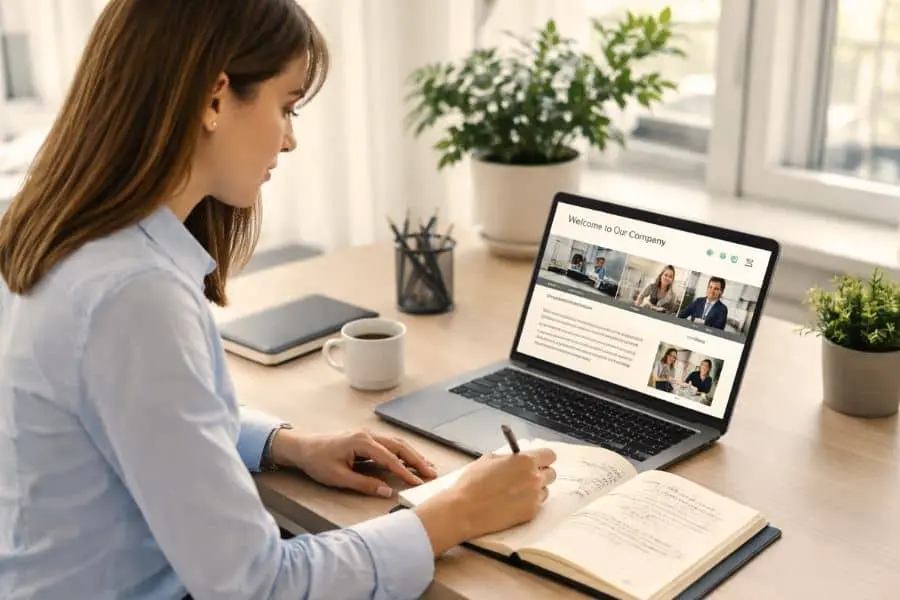
One of the most important Interview Tips for beginners is researching the company before attending the interview. Employers want to see that candidates are genuinely interested in their organization, not just applying to every available job. When you understand the company’s goals, culture, and expectations, you can tailor your answers to show that you are a strong fit for the role.
Proper research also helps you ask smarter questions during the interview and demonstrate professionalism. Taking time to learn about the company can set you apart from other candidates who may not have prepared as thoroughly.
Understand the Company’s Mission and Culture
Before your interview, take time to learn about the company’s mission, values, and workplace culture. Most organizations share this information on their official websites or career pages.
Understanding the company’s purpose allows you to align your answers with what the employer cares about most. For example, if a company values teamwork and innovation, you can highlight examples from your experience that demonstrate collaboration or creative problem-solving. This approach shows interviewers that you share similar values and can contribute positively to the workplace.
Review the Job Description Carefully
Another key Interview Tip is to carefully review the job description. The job posting often provides valuable clues about what the employer is looking for in a candidate.
Pay close attention to:
- Required skills and qualifications
- Key responsibilities
- Preferred experience or abilities
Once you identify these elements, prepare examples from your education, projects, or previous experience that demonstrate those skills. This preparation helps you give focused answers that directly match the employer’s expectations.
Use LinkedIn and Company Websites
Professional platforms and company websites are powerful tools for interview preparation. Visiting the company’s official website can help you learn about its products, services, leadership team, and recent achievements.
You can also use LinkedIn to explore employee profiles, see how professionals in the company describe their roles, and learn about recent company updates or news. This information can provide helpful insights into the company culture and current priorities.
By using these resources, you can enter the interview better informed and prepared to discuss how your skills and goals align with the organization.
Practice Common Interview Questions

Preparation through practice is one of the most effective Interview Tips for beginners. Many candidates feel nervous during interviews because they are unsure how to answer common questions. By practicing your responses in advance, you can improve your confidence, organize your thoughts, and communicate your ideas more clearly.
Employers often ask similar types of questions during interviews to evaluate your skills, personality, and problem-solving abilities. Practicing these questions helps you respond naturally and professionally rather than struggling to think of answers on the spot.
“Tell Me About Yourself”
This is one of the most common questions asked in job interviews, and it often sets the tone for the entire conversation. A good response should be clear, concise, and professionally focused.
A simple structure you can follow is:
- Present: Briefly mention your current situation (student, graduate, or professional role).
- Past: Highlight relevant education, projects, or experiences.
- Future: Explain why you’re interested in the position and how it fits your career goals.
Keep your answer between 30–60 seconds and focus on experiences that relate to the job you’re applying for.
Behavioral Interview Questions
Many employers use behavioral interview questions to understand how you handled situations in the past. These questions usually begin with phrases like:
- “Tell me about a time when…”
- “Describe a situation where…”
- “Give an example of when you…”
A helpful technique for answering these questions is the STAR method:
- Situation: Describe the context or problem.
- Task: Explain your responsibility in that situation.
- Action: Discuss the steps you took to solve the problem.
- Result: Share the outcome and what you learned.
Using this method helps you give structured and clear answers while highlighting your skills and achievements.
Questions About Strengths and Weaknesses
Another common part of interviews involves discussing your strengths and weaknesses. The goal is to show self-awareness and a willingness to grow.
When discussing strengths, choose qualities that are relevant to the job, such as communication, problem-solving, teamwork, or organization. Support your answer with a short example to demonstrate how you use that strength in real situations.
When discussing weaknesses, avoid mentioning critical skills required for the job. Instead, choose a minor weakness and explain the steps you are taking to improve it. This approach shows honesty, responsibility, and a commitment to personal development, qualities that employers value in candidates.
Practicing these types of responses is one of the most practical Interview Tips for beginners, helping you feel more prepared and confident during the interview process.
Improve Your Body Language and Communication
During an interview, what you say is important; how you say it can be just as powerful. Non-verbal communication such as posture, eye contact, tone of voice, and facial expressions can strongly influence how interviewers perceive you. One of the most valuable interview tips for beginners is learning how to use positive body language and clear communication to show confidence and professionalism.
Strong communication skills help interviewers understand your ideas better and demonstrate that you are comfortable interacting in a professional environment.
Maintain Eye Contact and Good Posture
Maintaining appropriate eye contact during an interview shows confidence, attentiveness, and respect. When you look at the interviewer while speaking and listening, it signals that you are engaged in the conversation.
Good posture is equally important. Sitting upright with relaxed shoulders helps you appear confident and professional. Avoid slouching, crossing your arms tightly, or constantly looking down, as these behaviors may give the impression of nervousness or lack of interest.
Practicing these simple body language techniques is one of the most effective Interview Tips to create a strong and positive impression.
Speak Clearly and Avoid Filler Words
Clear communication helps interviewers understand your thoughts and ideas easily. When answering questions, try to speak at a steady pace and organize your responses before you begin talking.
Avoid using too many filler words such as “um,” “uh,” or “like.” While occasional pauses are natural, excessive filler words can make your answers sound uncertain. Taking a brief moment to think before responding can help you deliver more confident and structured answers.
Practicing interview responses in advance can improve clarity and help you communicate more effectively.
Show Enthusiasm for the Role
Employers want to hire candidates who are genuinely interested in the position and the organization. Showing enthusiasm during the interview demonstrates motivation and positive energy.
You can show enthusiasm by:
- Speaking with a positive tone
- Smiling naturally during the conversation
- Expressing interest in the company and role
Simple gestures such as nodding while listening and responding with thoughtful questions can also demonstrate engagement. When interviewers see that you are excited about the opportunity, they are more likely to view you as a strong potential fit for the team.
Dress Professionally for the Interview
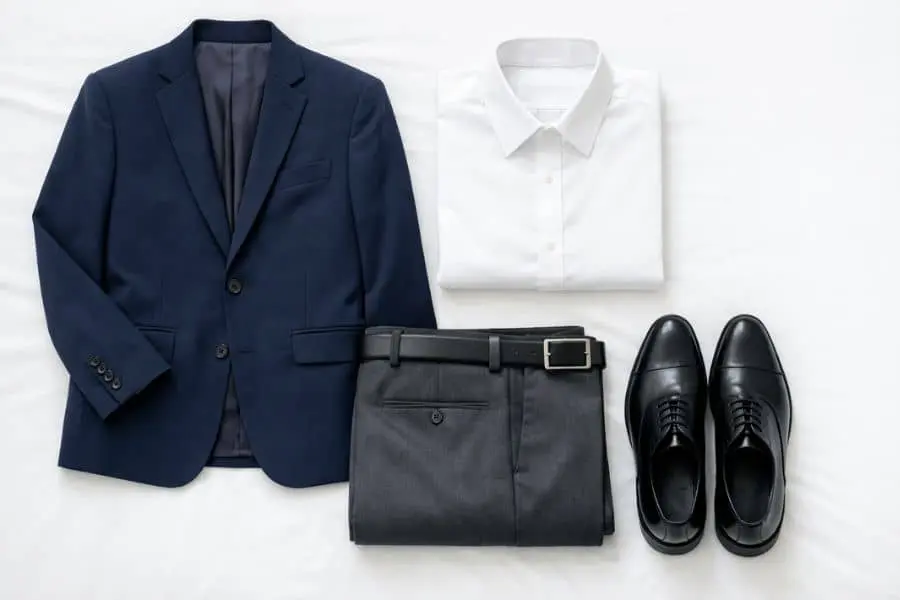
Your appearance plays an important role in shaping the interviewer’s first impression. Dressing professionally shows that you respect the opportunity and take the interview seriously. One of the most practical Interview Tips for beginners is choosing an outfit that looks clean, polished, and appropriate for the workplace.
Even if your qualifications are strong, an unprofessional appearance can create a negative impression. Taking time to prepare your outfit in advance can help you feel more confident and focused during the interview.
Understand Workplace Dress Codes
Different industries often have different expectations when it comes to professional attire. For example, corporate environments such as finance or law typically require more formal clothing, while technology or creative industries may allow business casual outfits.
Before your interview, research the company’s culture to understand its dress standards. Looking at employee photos on the company website or professional networking platforms can give you a better idea of what employees typically wear. When in doubt, it is always safer to dress slightly more formally than too casually.
Choose Simple and Professional Outfits
For beginners, simple and professional clothing is usually the safest option. Choose outfits that are neat, comfortable, and not overly flashy.
Examples of safe interview clothing include:
- A collared shirt or blouse with dress pants
- A professional dress or skirt with a modest top
- A blazer or light jacket for a more polished appearance
- Clean, professional shoes
Avoid clothing that is too casual, such as graphic T-shirts, ripped jeans, or athletic wear. Keeping your outfit simple and professional allows the interviewer to focus on your skills and qualifications rather than your clothing.
Prepare Questions for the Interviewer
Many candidates focus only on answering questions during interviews, but asking thoughtful questions is just as important. Preparing questions for the interviewer shows curiosity, confidence, and genuine interest in the role.
One of the most overlooked Interview Tips is that interviews are a two-way conversation. While the employer is evaluating you, you are also learning whether the company and role are a good fit for your career goals.
Some good questions to ask include:
- What does success look like in this role?
- What are the biggest challenges for this position?
- How does the company support employee growth and development?
Asking these types of questions demonstrates that you are thinking seriously about your future with the organization. It also helps you gather valuable information about expectations, workplace culture, and opportunities for advancement.
Follow Up After the Interview
Many candidates focus entirely on the interview itself and forget about what happens afterward. However, following up after an interview is an important step that can strengthen the impression you made. One of the most overlooked Interview Tips is sending a professional follow-up message to thank the interviewer for their time.
A simple follow-up can demonstrate professionalism, appreciation, and continued interest in the position.
Send a Thank-You Email
Sending a thank-you email within 24 hours after the interview is a professional and courteous gesture. It shows that you value the interviewer’s time and the opportunity to learn more about the role.
Your message should be short and professional. In your email, you can:
- Thank the interviewer for the opportunity
- Mention something specific you enjoyed discussing
- Express appreciation for learning more about the company
This small step can leave a positive impression and reinforce your professionalism.
Reaffirm Your Interest
A follow-up email is also a great opportunity to reaffirm your interest in the position. Briefly mention that you are excited about the possibility of joining the team and contributing to the company’s goals.
This reminder helps keep you fresh in the interviewer’s mind and can sometimes make a difference when employers are deciding between multiple candidates.
Common Interview Mistakes to Avoid
Even well-prepared candidates can make mistakes during interviews. Understanding these common errors can help beginners avoid them and improve their overall performance. Following effective Interview Tips can help you stay professional and focused during the conversation.
Arriving Late
Being late to an interview can create a negative first impression and signal poor time management.
Quick Solution:
Plan your route in advance and aim to arrive 10-15 minutes early. If the interview is virtual, test your internet connection and software beforehand.
Speaking Negatively About Past Employers
Talking badly about previous employers, teachers, or colleagues can make interviewers question your professionalism and attitude.
Quick Solution:
Stay positive and focus on what you learned from past experiences instead of criticizing others.
Giving Long, Unfocused Answers
Providing overly long responses can confuse interviewers and make it difficult for them to understand your main point.
Quick Solution:
Keep answers clear and structured. Use techniques like the STAR method to organize your responses.
Not Researching the Company
Failing to research the company may make it seem like you are not genuinely interested in the position.
Quick Solution:
Spend time learning about the company’s mission, products, culture, and recent achievements before the interview.
Avoiding these common mistakes can significantly improve your interview performance and help you present yourself as a prepared and professional candidate.
Conclusion
Preparing for a job interview may seem challenging at first, especially for beginners. However, applying the right Interview Tips can make the process much easier and significantly improve your chances of success. With proper preparation and practice, you can approach interviews with confidence and professionalism.
Throughout this guide, we covered several important Interview Tips to help you succeed. Start by researching the company so you understand its mission, values, and expectations. Practice common interview questions so you can answer clearly and confidently. Focus on strong communication and positive body language to create a professional impression. Make sure you dress professionally to show respect for the opportunity, and always follow up after the interview to reinforce your interest in the role.
Remember that interview skills improve with experience and practice. Every interview you attend is an opportunity to learn, refine your responses, and build confidence. Over time, these small improvements can make a big difference in how you present yourself to employers.
What You Should Do Next
Ready to land your first job? Start practicing these Interview Tips, prepare your answers, and walk into your next interview with confidence. The more prepared you are, the closer you’ll be to securing the opportunity you’ve been working toward.
Trusted Sources & References
The concepts discussed in this article about the Interview Tips and personal development are based on behavioral science and trusted research-backed sources.
For further reading:
| Links |
|---|
| https://www.mindtools.com/ (Personal development and career improvement resources) https://www.coursera.org/articles (Career interview guidance) https://www.indeed.com/career-advice/interviewing (Practical job interview advice) |
FAQs
What are the best interview tips for beginners?
The best interview tips for beginners include researching the company, practicing common interview questions, dressing professionally, and preparing examples of your skills and achievements. It is also important to communicate clearly, maintain positive body language, and show enthusiasm for the role. Proper preparation helps candidates feel more confident and make a strong impression during the interview.
How should I prepare for my first job interview?
To prepare for your first job interview, start by researching the company and understanding the job description. Practice answering common questions such as “Tell me about yourself” and prepare examples using the STAR method (Situation, Task, Action, Result). You should also choose professional clothing, arrive early, and bring copies of your resume. These interview preparation tips help you feel more confident and organized.