

How to Overcome Fear in Life and Unlock Your True Potential
Fear shows up quietly in everyday moments; hesitating to apply for a better job, avoiding a difficult conversation, or holding back from starting something new because you might fail. It feels safe to stay where you are, but deep down, you know that comfort zone is also keeping you stuck.
The truth is, fear is one of the biggest barriers to personal growth and success. It limits your decisions, shrinks your potential, and convinces you to play small when you’re capable of so much more. Whether it’s fear of failure, rejection, or the unknown, it can stop you from taking the very steps that could change your life.
Table of Contents
The good news? You can learn how to overcome fear in life with the right mindset and tools. In this guide, you’ll discover practical, science-backed strategies that help you take control of fear, build confidence, and move forward; one step at a time.
What Is Fear and Why Does It Hold You Back?
Fear is a natural emotional response designed to protect you from danger. From an evolutionary perspective, it helped humans survive real threats, like predators or unsafe environments, by triggering quick reactions. But in modern life, those same fear responses often show up in non-life-threatening situations, such as public speaking, career changes, or trying something new.
While fear can sometimes be helpful, it becomes limiting when it stops you from taking action, growing, or pursuing opportunities. Instead of protecting you, it begins to hold you back, keeping you stuck in routines that feel safe but prevent real progress.
The Science Behind Fear
Fear is deeply rooted in your brain and body.
Fight-or-Flight Response
When you sense danger, your body activates the fight-or-flight response. Your heart rate increases, breathing quickens, and your body prepares to either face the threat or escape it. This reaction happens instantly, often before you’re even aware of it.
Role of the Brain (Amygdala)
The amygdala, a small structure in your brain, plays a key role in processing fear. It acts like an alarm system, scanning for threats and triggering emotional responses. The challenge is that the amygdala doesn’t always distinguish between real danger and perceived fear, such as worrying about failure or judgment, so that it can overreact in everyday situations.
Common Types of Fear in Daily Life
Not all fears look the same. In fact, many of the fears that hold you back are subtle but powerful.
Fear of Failure
This fear makes you avoid risks because you’re worried about making mistakes or not succeeding. It often leads to procrastination or never starting at all.
Fear of Rejection
The desire to be accepted can make you hold back your ideas, avoid speaking up, or shy away from new relationships and opportunities.
Fear of Uncertainty
Humans crave predictability. When outcomes are unclear, fear can make you resist change, even when that change could lead to growth or better opportunities.
Understanding these fears is the first step in learning how to overcome them. Once you recognize what’s happening in your mind and body, you can begin to take control instead of letting fear control you.
How to Overcome Fear in Life: 10 Proven Strategies
Overcoming fear isn’t about eliminating it completely; it’s about learning how to manage it and move forward anyway. The following strategies are practical, science-backed, and easy to apply in daily life. If you’re wondering how to overcome fear in life, start with these steps and build momentum over time.
1. Identify the Root Cause of Your Fear
Before you can overcome fear, you need to understand it.
Take time to reflect on what exactly you’re afraid of and why.
- Use journaling to explore your thoughts
- Ask yourself: What’s the worst that could happen?
- Look for patterns from past experiences
Clarity reduces the power fear has over you.
2. Face Fear Gradually (Exposure Method)
Avoiding fear only makes it stronger. Facing it in small, manageable steps helps you build confidence.
- Break the fear into smaller actions
- Start with low-risk situations
- Gradually increase difficulty
Each small win rewires your brain to feel safer and more capable.
3. Reframe Negative Thoughts
Fear is often fueled by negative thinking. Learning to challenge those thoughts can change your response.
- Replace “What if I fail?” with “What can I learn?”
- Focus on possibilities instead of worst-case scenarios
- Practice positive self-talk
Your mindset shapes your emotional response.
4. Build a Growth Mindset
When you see challenges as opportunities, fear loses its grip.
- View mistakes as learning experiences
- Focus on progress, not perfection
- Embrace discomfort as part of growth
A growth mindset turns fear into fuel for improvement.
5. Practice Mindfulness and Meditation
Mindfulness helps you stay present instead of getting lost in fear-based thoughts about the future.
- Try simple breathing exercises
- Practice daily meditation for a few minutes
- Observe your thoughts without judgment
This reduces anxiety and gives you better emotional control.
6. Take Action Despite Fear
Waiting to feel “ready” is a trap. Confidence comes after action, not before.
- Take one small step immediately
- Focus on progress, not perfection
- Build momentum through consistency
Action weakens fear faster than overthinking ever will.
7. Surround Yourself with Positive Influences
The people around you can either amplify fear or reduce it.
- Spend time with supportive, growth-oriented individuals
- Limit exposure to negativity
- Seek mentors or accountability partners
A strong support system boosts courage and confidence.
8. Visualize Success
Your brain responds strongly to mental imagery.
- Imagine yourself succeeding in detail
- Focus on how it feels to overcome the fear
- Use visualization before challenging situations
This technique prepares your mind for success.
9. Accept That Failure Is Part of Growth
Trying to avoid failure often leads to missed opportunities.
- Understand that failure is normal
- Learn from setbacks instead of fearing them
- Detach your self-worth from outcomes
Growth comes from experience, not perfection.
10. Seek Professional Help If Needed
Some fears run deeper and may require guidance.
- Consider therapy or counseling
- Work with a coach for personal development
- Learn structured coping strategies
Getting help is a sign of strength, not weakness.
By applying these strategies consistently, you’ll not only learn how to overcome fear in life, but also build lasting confidence and resilience that carry into every area of your life.
Real-Life Examples of Overcoming Fear
Understanding fear is important, but seeing how others have overcome it makes the process feel real and achievable. Whether it’s everyday people or well-known figures, the patterns are often the same: courage, persistence, and a willingness to act despite fear.
Everyday Success Stories
You don’t have to look far to find powerful examples of people facing their fears.
Career Changes
Many people stay in unfulfilling jobs because they fear instability or failure. Yet, countless individuals have successfully transitioned into new careers by taking small steps, learning new skills, networking, and gradually moving toward what they truly want.
Public Speaking
Fear of public speaking is one of the most common fears. Still, people overcome it every day by practicing in safe environments, joining speaking groups, and building confidence over time. What once felt terrifying becomes manageable, and even enjoyable.
Starting a Business
Launching a business involves uncertainty and risk, which can be intimidating. However, many successful entrepreneurs started with doubt and fear. They didn’t wait to feel fearless; they started anyway, learned as they went, and adapted along the journey.
What You Can Learn from Them
These stories may be different on the surface, but they share powerful lessons you can apply to your own life.
They Took Action Despite Fear
None of them waited until fear disappeared. They moved forward while feeling uncertain, proving that action is the key to progress.
They Started Small and Built Momentum
Big changes didn’t happen overnight. Small, consistent steps created confidence and led to larger breakthroughs.
They Reframed Failure as Learning
Instead of avoiding mistakes, they used them as opportunities to grow. This shift in mindset reduced fear and increased resilience.
They Stayed Consistent
Progress came from persistence, not perfection. Showing up regularly made fear less overwhelming over time.
These real-life examples show that fear is not a stop sign; it’s a signal that you’re stepping outside your comfort zone. And that’s exactly where growth happens.
Mistakes to Avoid When Trying to Overcome Fear
While learning how to overcome fear in life, many people unknowingly fall into patterns that slow their progress. Avoiding these common mistakes can make your journey smoother and more effective.
Avoiding Fear Completely
It might feel natural to avoid situations that trigger fear, but this only makes it stronger over time.
- Avoidance reinforces the belief that the situation is dangerous
- Fear grows when it’s never challenged
- Confidence can’t develop without exposure
Instead of avoiding fear, focus on facing it in small, manageable steps.
Overthinking Instead of Acting
Spending too much time thinking about fear can trap you in a cycle of doubt.
- You imagine worst-case scenarios
- You delay taking action
- Anxiety increases without real progress
Action is the antidote to overthinking. Even a small step forward can break the cycle and reduce fear.
Expecting Instant Results
Overcoming fear is a process, not a one-time event.
- Progress takes time and consistency
- Setbacks are normal and part of growth
- Unrealistic expectations can lead to frustration
Be patient with yourself. Focus on gradual improvement rather than immediate transformation.
By recognizing and avoiding these mistakes, you’ll create a stronger foundation for lasting confidence and make real progress in overcoming fear.
Daily Habits to Stay Fearless and Confident
Overcoming fear isn’t a one-time achievement; it’s a daily practice. Building simple, consistent habits can help you stay confident, resilient, and ready to face challenges as they come.
Morning Mindset Routines
How you start your day sets the tone for everything that follows.
- Practice gratitude to shift your focus toward positivity
- Use affirmations to build self-belief
- Spend a few minutes visualizing a successful day
A strong morning routine helps you approach fear with clarity instead of anxiety.
Goal Setting

Clear goals give your actions direction and reduce uncertainty.
- Break big goals into smaller, manageable steps
- Set realistic and measurable targets
- Track your progress regularly
When you know what you’re working toward, fear becomes less overwhelming and more manageable.
Consistency Over Perfection
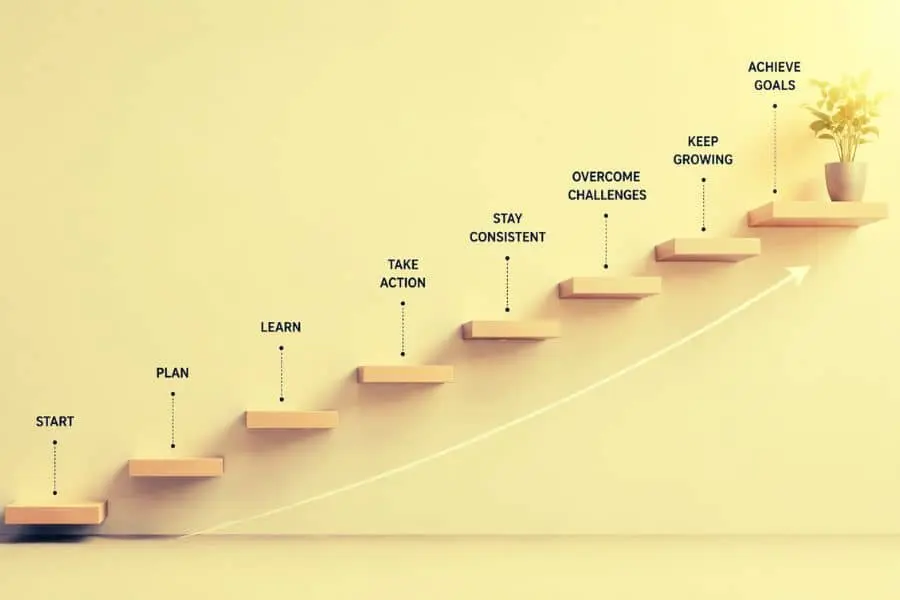
Trying to be perfect often leads to hesitation and fear of failure.
- Focus on showing up daily, even in small ways
- Accept imperfect action as part of growth
- Build confidence through repetition
Consistency creates momentum, and momentum reduces fear.
Conclusion

Fear is a natural part of life, but it doesn’t have to control your decisions or limit your potential. By understanding how fear works and applying practical strategies, you can take back control and move forward with confidence.
Remember, learning how to overcome fear in life starts with small, intentional steps. You don’t need to have everything figured out; you just need to begin.
Start today. Take one small action that pushes you slightly outside your comfort zone.
What You Should Do Next
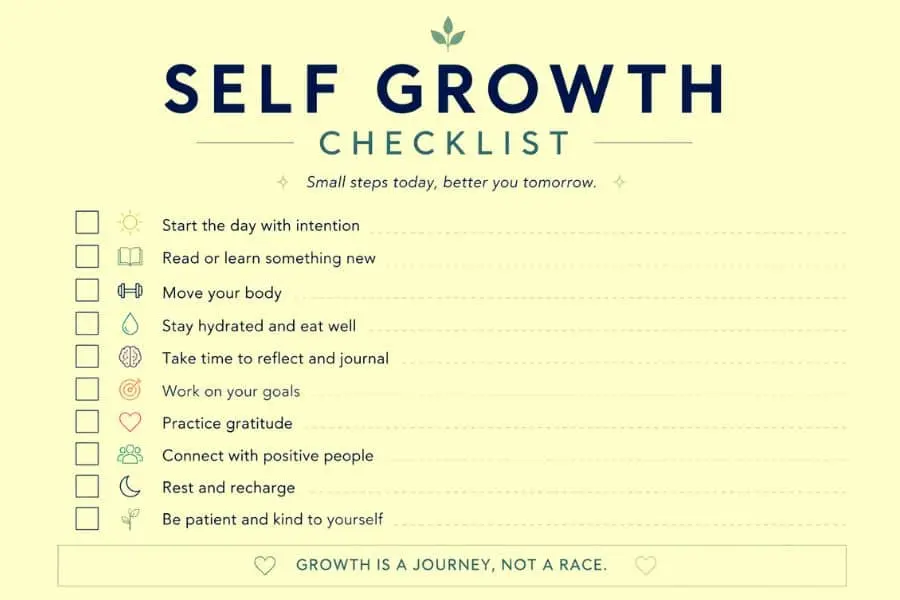
If you found this helpful, share it with someone who needs it, subscribe for more personal growth insights, or download a free self-growth checklist to start building your confidence step by step.
Trusted Sources & References
Our information is based on reliable, well-established sources, including expert insights, research studies, and reputable organizations. We prioritize accuracy by referring to trusted publications and verified data, ensuring that the content provided is informative, up-to-date, and dependable for everyday use.
For further reading:
https://www.health.harvard.edu
FAQs
How can I conquer fear in life?
Face your fears in small steps, understand what’s causing them, and challenge negative thoughts. Stay calm with simple breathing techniques and take action despite fear; confidence grows with practice.
How can I manage fear emotions?
Acknowledge the fear, slow your breathing, and focus on the present moment. Challenge negative thoughts and take small, calm actions; fear becomes easier to handle with practice