
How to Get More Done in Less Time (Simple 2026 Hacks)
In today’s fast-paced world, many people feel constantly busy, but not necessarily productive. Endless to-do lists, notifications, and distractions can make it seem like you’re working all day without making real progress. If you’ve ever wondered why you’re putting in so much effort but not seeing meaningful results, you’re not alone.
The good news is that learning how to get more done in less time isn’t about working harder; it’s about working smarter. With the right strategies, you can boost your efficiency, stay focused, and accomplish more without feeling overwhelmed.
Table of Contents
In this guide, you’ll discover simple, actionable productivity hacks that anyone can apply, no matter your lifestyle or schedule. By implementing these techniques, you can reduce stress, free up more time for what matters most, and achieve better results in both your personal and professional life.
Why It’s Hard to Get More Done in Less Time Today
In the modern world, productivity isn’t just about effort; it’s about navigating constant distractions, information overload, and unclear priorities. Many people feel overwhelmed not because they lack motivation, but because they’re caught in systems that make focused work difficult. Understanding these challenges is the first step toward learning how to get more done in less time effectively.
The Myth of Multitasking
Multitasking might feel productive, but it actually reduces efficiency. When you switch between tasks, your brain loses focus and takes time to readjust. This “context switching” leads to more mistakes and slower progress.
Instead of doing multiple things at once, focusing on one task at a time allows you to work faster and produce higher-quality results.
Digital Distractions and Overload
Smartphones, social media, and constant notifications are major productivity killers. Every alert pulls your attention away, breaking your concentration and making it harder to return to deep work.
Over time, this leads to fragmented attention, where you’re always partially focused, but never fully productive. Reducing digital distractions is essential if you want to truly maximize your time.
Lack of Clear Priorities
One of the biggest reasons people struggle with productivity is not knowing what truly matters. Being busy doesn’t always mean being productive. You might complete dozens of small tasks but still feel like you’ve achieved nothing meaningful.
Without clear priorities, your time gets filled with low-impact activities. Identifying and focusing on high-value tasks is key to mastering how to get more done in less time.
How to Get More Done in Less Time – Core Principles
To truly master how to get more done in less time, you need more than quick hacks; you need strong foundational principles. These core ideas help you work smarter, stay focused, and consistently produce meaningful results without burning out.
Focus on High-Impact Tasks (80/20 Rule)
Not all tasks are created equal. The 80/20 Rule (Pareto Principle) suggests that 80% of your results come from just 20% of your efforts.
Instead of trying to do everything, identify the few tasks that deliver the biggest impact. These are the activities that move you closer to your goals faster.
By prioritizing high-value work, you eliminate wasted effort and make real progress in less time.
Time Blocking for Better Control
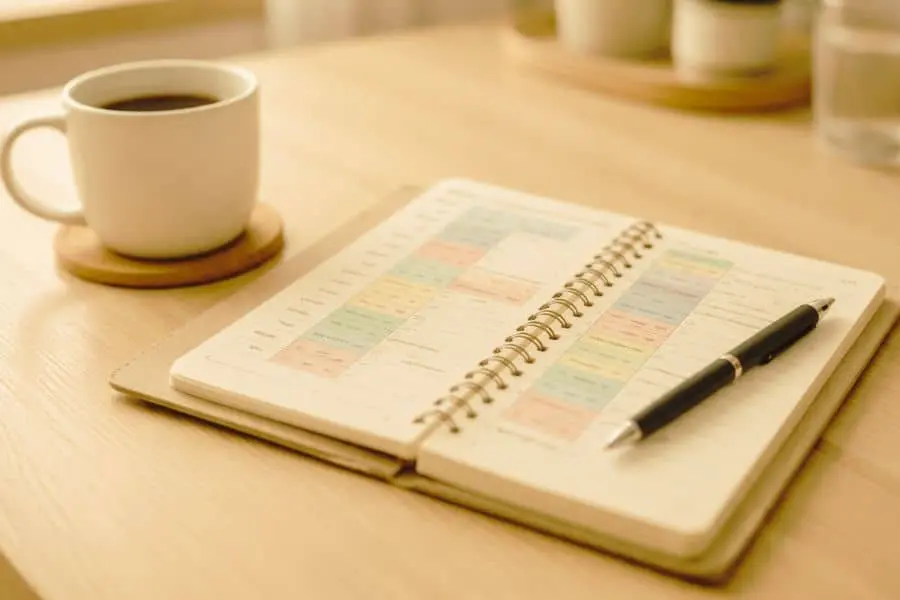
Time blocking is a simple but powerful method where you assign specific time slots to each task in your day. Instead of reacting to whatever comes up, you follow a structured plan.
This approach helps you:
- Stay focused on one task at a time
- Avoid decision fatigue
- Create a clear roadmap for your day
When you control your schedule, you naturally improve efficiency and get more done without feeling overwhelmed.
Single-Tasking Over Multitasking

If you want to improve productivity, single-tasking is a game changer. Focusing on one task at a time allows your brain to enter a state of deep work, where concentration and performance are at their peak.
This leads to:
- Faster task completion
- Higher-quality results
- Less mental fatigue
By eliminating distractions and committing to one task fully, you unlock a more effective way to approach how to get more done in less time.
Simple Productivity Hacks for Busy People
You don’t need complicated systems to improve your productivity. Sometimes, small changes can make a big difference. These simple, practical hacks are easy to apply and can quickly help you master how to get more done in less time, even on your busiest days.
Use the 2-Minute Rule
The 2-Minute Rule is straightforward: if a task takes less than two minutes, do it immediately.
This prevents small tasks from piling up and overwhelming your to-do list. Whether it’s replying to a quick email, organizing your desk, or making a short call, handling it right away keeps your workflow smooth and clutter-free.
Start Your Day with the Hardest Task
Often called the “Eat the Frog” technique, this method encourages you to tackle your most difficult or important task first thing in the morning.
Your energy and focus are highest at the start of the day, making it the perfect time to handle challenging work. Once it’s done, the rest of your day feels easier and more manageable.
Set Clear Daily Goals
Instead of creating long, overwhelming to-do lists, focus on 3-5 key tasks each day.
These should be your highest-priority items; the ones that truly move you forward. By narrowing your focus, you avoid burnout and ensure that your time is spent on what really matters.
Eliminate Distractions
Distractions are one of the biggest obstacles to productivity. Constant notifications, background noise, and interruptions can break your focus and slow you down.
To stay productive:
- Turn off non-essential notifications
- Create a clean, organized workspace
- Set boundaries with others during work time
A distraction-free environment helps you stay in control and significantly improves your ability to get more done in less time.
Time Management Techniques That Actually Work
If you want to truly master how to get more done in less time, you need proven time management techniques, not just good intentions. The following systems are simple, effective, and widely used to boost productivity without increasing stress.
Pomodoro Technique
The Pomodoro Technique is a powerful method that breaks your work into focused intervals, typically 25 minutes, followed by short breaks.
This approach helps you stay fully concentrated while avoiding burnout. By working in short, timed bursts, you train your brain to focus deeply and maintain consistent productivity throughout the day.
How it works:
- Work for 25 minutes (one session)
- Take a 5-minute break
- Repeat 3-4 times, then take a longer break
Batch Similar Tasks Together
Task batching involves grouping similar tasks and completing them in one dedicated session.
For example, instead of checking emails throughout the day, you can respond to all emails at once. This reduces “context switching,” where your brain constantly shifts between different types of work, something that slows you down significantly.
Batching allows you to stay in the same mental zone, making your work faster and more efficient.
Use a Weekly Planning System
Planning your week in advance gives you a clear direction and reduces daily decision-making stress. Instead of figuring out what to do each day, you already have a roadmap.
A simple weekly planning system includes:
- Listing your top priorities for the week
- Assigning tasks to specific days
- Allocating time for deep work and breaks
This big-picture approach ensures that your time is used intentionally, helping you consistently get more done in less time.
Tools & Apps to Help You Get More Done
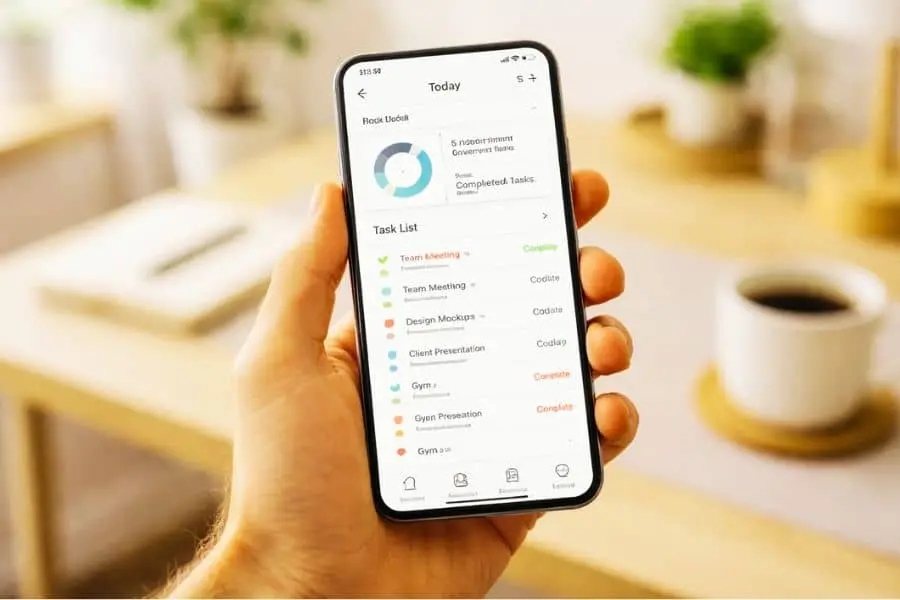
Using the right tools can make a huge difference when learning how to get more done in less time. Instead of relying on memory or scattered notes, productivity apps help you stay organized, focused, and in control of your schedule.
Task Management Apps
Task management apps help you organize, prioritize, and track your daily activities in one place. Tools like Todoist, Trello, and Asana allow you to create task lists, set deadlines, and monitor progress easily.
These apps make it easier to break big goals into smaller steps, ensuring that nothing important gets missed.
Focus & Time Tracking Tools
If you struggle with distractions, focus and time tracking tools can help you stay on track. Apps like Forest and RescueTime monitor how you spend your time and encourage deep work sessions.
They provide insights into your habits, helping you identify time-wasting activities and improve your efficiency.
Calendar & Scheduling Tools
Planning your day becomes much easier with calendar tools like Google Calendar and Microsoft Outlook.
These tools allow you to schedule tasks, set reminders, and organize your day using time blocks. By visually mapping out your schedule, you gain better control over your time and avoid overbooking yourself.
By combining these tools with the right strategies, you can simplify your workflow and significantly improve how you manage your time and tasks.
Habits That Boost Productivity Long-Term

Productivity isn’t just about quick wins; it’s about building habits that consistently support your goals. When you develop the right routines, you make progress automatic and sustainable. These long-term habits are essential if you want to master how to get more done in less time without burning out.
Morning Routine for Success
How you start your day often determines how productive the rest of it will be. A structured morning routine helps you begin with clarity and purpose instead of chaos.
This doesn’t have to be complicated. Simple actions like planning your top tasks, light exercise, or quiet reflection can set a positive tone. When you start your day intentionally, you’re more focused and ready to tackle important work.
Regular Breaks to Avoid Burnout
Working non-stop might seem productive, but it actually reduces efficiency over time. Your brain needs breaks to recharge and maintain focus.
Taking short, regular breaks helps you:
- Restore energy levels
- Improve concentration
- Prevent mental fatigue
Whether it’s a quick walk, stretching, or stepping away from your screen, breaks are essential for maintaining consistent productivity throughout the day.
Reflect and Improve Daily
One of the most powerful habits is taking a few minutes each day to reflect on your progress.
Ask yourself:
- What did I accomplish today?
- What distracted me?
- What can I improve tomorrow?
By regularly reviewing your actions, you can identify what works best and refine your approach. This continuous improvement process helps you optimize your workflow and get more done in less time over the long run.
Common Mistakes That Kill Productivity
Even with the best intentions, certain habits can quietly destroy your efficiency. If you’re trying to master how to get more done in less time, avoiding these common mistakes is just as important as applying the right strategies.
Overloading Your To-Do List
A long to-do list might make you feel productive, but it often leads to overwhelm and frustration. When you try to do too much, you end up doing less effectively.
Instead of listing everything, focus on a few high-priority tasks that truly matter. A shorter, more intentional list helps you stay focused and actually complete what you start.
Lack of Breaks
Skipping breaks may seem like a way to save time, but it usually backfires. Without rest, your energy drops, focus declines, and mistakes increase.
Taking regular breaks allows your brain to reset, helping you maintain steady productivity throughout the day. Remember, productivity is about consistency, not nonstop work.
Not Setting Boundaries
Without clear boundaries, your time can easily be consumed by interruptions, unnecessary meetings, or other people’s priorities.
Learning to say “no” and protecting your focused work time is essential. Set limits on distractions and communicate your availability clearly to maintain control over your schedule.
How to Stay Consistent and Motivated
Staying productive isn’t just about starting strong; it’s about maintaining momentum over time. Consistency is what turns good intentions into real results. These strategies will help you stay on track and sustain your productivity long-term.
Set Realistic Goals
Setting overly ambitious goals can lead to burnout and disappointment. Instead, aim for realistic, achievable targets that match your time and energy levels.
Breaking big goals into smaller steps makes them more manageable and keeps you motivated as you make steady progress.
Reward Yourself for Progress
Celebrating small wins is a powerful way to stay motivated. When you complete a task or reach a milestone, give yourself a simple reward, like a short break, a treat, or time doing something you enjoy.
This positive reinforcement helps build momentum and makes productivity feel more satisfying.
Build Discipline Over Motivation
Motivation comes and goes, but discipline keeps you moving forward even when you don’t feel like it.
Creating routines, sticking to schedules, and developing consistent habits are key to long-term success. When discipline becomes part of your daily life, productivity becomes easier and more automatic.
Conclusion
Learning how to get more done in less time isn’t about filling every minute with work; it’s about using your time wisely. By focusing on high-impact tasks, eliminating distractions, managing your time effectively, and building strong daily habits, you can dramatically improve your productivity without increasing stress.
What You Should Do Next
The key is not to try everything at once. Start small. Pick just 1-2 simple techniques like time blocking or the 2-minute rule and apply them consistently. As these habits become part of your routine, you’ll naturally find yourself accomplishing more in less time.
Try these techniques today and boost your productivity instantly.
If you found this guide helpful, consider sharing it with others who want to improve their productivity. You can also leave a comment below with your favorite productivity tip or sign up for our newsletter to get more practical tips delivered straight to your inbox.
FAQs
What is the best way to learn how to get more done in less time?
The best way is to combine simple productivity strategies like prioritizing high-impact tasks, using time blocking, and eliminating distractions. Start small and build consistent habits instead of trying to change everything at once.
Why do I feel busy but not productive?
You may feel busy but not productive because you’re focusing on low-value tasks, multitasking too much, or getting distracted frequently. True productivity comes from focusing on important tasks that create real results.