
How to Stop Procrastination Instantly: Powerful Techniques That Actually Work
Procrastination is something almost everyone struggles with at some point. It’s the habit of delaying important tasks, even when you know they need to be done. Whether it’s work, studies, or personal goals, people across the world face the same challenge: putting things off until the last minute.
The frustration comes from knowing what needs to be done but still feeling stuck. You might spend hours scrolling on your phone, overthinking, or waiting for the “right mood” to start: only to feel stressed and guilty later. This cycle can drain your energy, lower productivity, and affect your confidence over time.
Table of Contents
The good news? You don’t need complicated systems or long-term plans to fix it. In this article, you’ll discover simple, practical, and proven techniques on how to stop procrastination instantly. These strategies are easy to apply and designed to help you take action immediately: no matter how unmotivated you feel right now.
Why We Procrastinate (And Why It Feels Hard to Stop)

Procrastination isn’t just about laziness: it’s deeply connected to how our brain works. Understanding the psychological reasons behind it can help you feel less guilty and more in control. When you know why you delay tasks, it becomes much easier to take the first step toward change and truly learn how to stop procrastination instantly.
Fear of Failure and Perfectionism
One of the biggest hidden causes of procrastination is fear: especially the fear of failure. When you’re worried about not doing something well, your brain tries to protect you by avoiding the task altogether.
Overthinking plays a major role here. You may keep analyzing every detail, imagining worst-case scenarios, or waiting until you feel “fully ready.” But this constant thinking leads to inaction. Instead of starting, you stay stuck in your head.
Perfectionism makes it even worse. When you feel like everything has to be perfect, even small tasks start to feel overwhelming. As a result, you delay starting because you don’t want to produce something that isn’t “good enough.”
Lack of Motivation or Clarity
Sometimes, procrastination happens simply because you don’t know where to begin. When a task feels unclear or too big, your brain sees it as a threat or burden.
Without clear direction, even simple work can feel overwhelming. You might think, “I’ll start later when I have more time or energy.” But that moment rarely comes.
This creates mental resistance: the feeling of not wanting to start at all. It’s not that you’re lazy; your brain just prefers tasks that feel easy and clearly defined.
Instant Gratification Trap
In today’s digital world, distractions are everywhere. Social media, videos, and notifications offer quick bursts of pleasure (dopamine), making them hard to resist.
Your brain naturally chooses activities that give immediate rewards over those that require effort and patience. That’s why scrolling your phone feels easier than working on a long-term goal.
The problem is, these quick rewards keep you stuck in a loop. You choose short-term comfort over long-term success, which leads to more procrastination and less progress.
By understanding these common causes, you can start to break the cycle. The next step is learning practical techniques that help you take action immediately.
How to Stop Procrastination Instantly – Proven Techniques
The key to beating procrastination isn’t waiting for motivation: it’s taking action right now. These simple, proven techniques are designed to help you break the cycle immediately and build momentum. If you’ve been wondering how to stop procrastination instantly, this is where real change begins.
Use the 5-Minute Rule
One of the easiest ways to start is by committing to just five minutes of work: that’s it, no pressure to finish the entire task.
This works because your brain resists big efforts but accepts small ones. Once you begin, you’ll often find it easier to continue beyond those five minutes.
Think of it as a mental trick: you’re not forcing yourself to complete the task, you’re simply starting. And starting is usually the hardest part.
Break Tasks into Micro-Steps
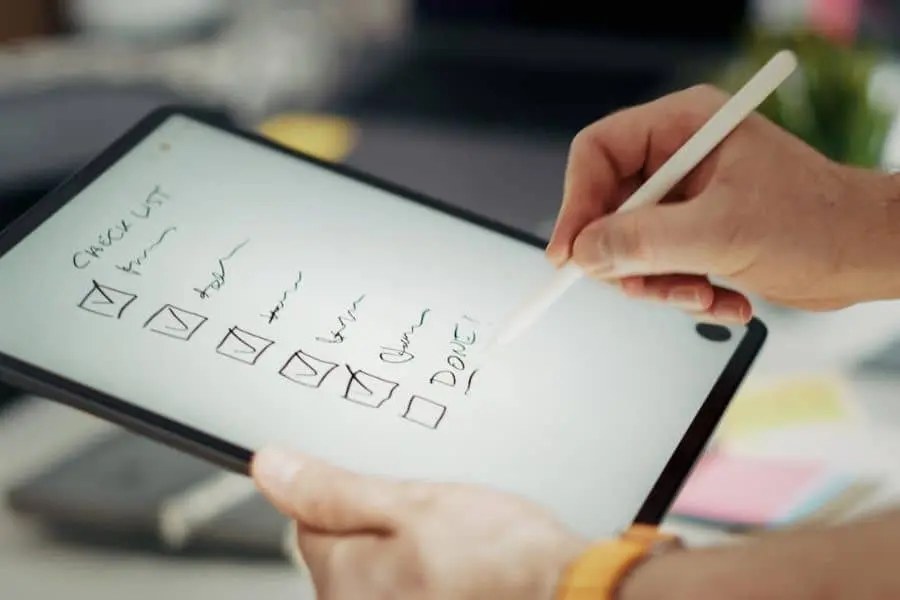
Big tasks feel overwhelming because they lack clarity. The solution is to break them down into tiny, manageable steps.
Instead of writing “Complete project,” break it into:
- Open your laptop
- Create a document
- Write the first sentence
- Add one idea
Each small step feels achievable, and completing them creates a sense of progress. These small wins build momentum and reduce the urge to procrastinate.
Eliminate Distractions Immediately

Your environment plays a huge role in your focus. If distractions are within reach, procrastination becomes almost automatic.
Do a quick reset:
- Put your phone on silent or in another room
- Close unnecessary browser tabs
- Turn off notifications
- Choose a quiet space
By removing distractions, you make it easier for your brain to focus on the task instead of seeking quick entertainment.
Apply the “Do It Now” Mindset
Waiting for the “right mood” or motivation is one of the biggest traps. Action doesn’t come from motivation: motivation comes after action.
Train yourself to act immediately when a task appears. If it takes less than a few minutes, do it right away. For bigger tasks, start instantly without overthinking.
This mindset builds urgency and creates an action bias, where doing becomes your default instead of delaying.
Use a Timer (Pomodoro Technique)
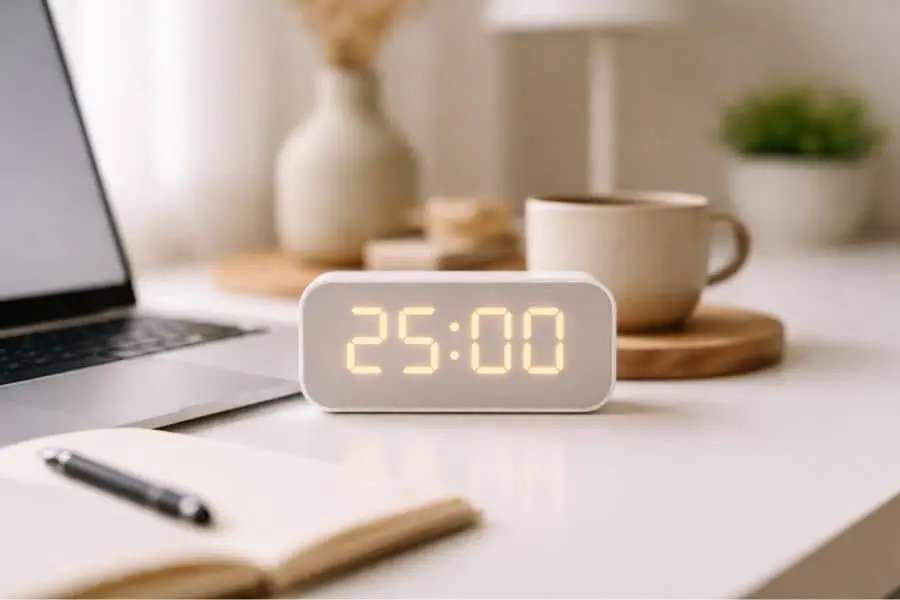
Working for long hours can feel exhausting, which leads to avoidance. Instead, use a timer to work in short, focused bursts.
A simple method:
- Work for 25 minutes
- Take a 5-minute break
- Repeat
This technique helps you stay focused without burnout. Knowing there’s a break coming soon makes it easier to start and stay consistent.
Quick Habits to Prevent Future Procrastination
While instant techniques help you take action right away, building simple daily habits ensures you don’t fall back into the same cycle: these habits create structure, reduce mental resistance, and make it easier to stay consistent over time, so you don’t have to keep struggling with how to stop procrastination instantly again and again.
Plan Your Day the Night Before
A little preparation goes a long way. Taking a few minutes each night to plan your next day can significantly reduce stress and hesitation.
When you wake up with a clear plan, you don’t waste time deciding what to do. This reduces decision fatigue and helps you start your day with purpose.
Write down 3–5 key tasks you want to complete. Keep it simple and realistic. This way, you begin your day with clear direction instead of confusion.
Set Clear and Realistic Goals
Unclear or overly ambitious goals often lead to procrastination. When something feels too big or vague, your brain naturally avoids it.
Instead, focus on setting specific and achievable goals. Break larger goals into smaller milestones that feel manageable.
For example, instead of saying “finish everything today,” aim for “complete the first section” or “work for 30 minutes.” This approach helps you avoid overwhelm and makes it easier to track your progress.
Reward Yourself After Completing Tasks
Your brain responds strongly to rewards. When you associate completing tasks with something positive, you’re more likely to stay consistent.
Rewards don’t have to be big. It could be:
- Taking a short break
- Watching a favorite video
- Enjoying a snack
- Doing something you love
This creates positive reinforcement, turning productivity into a satisfying experience rather than a stressful one. Over time, this habit builds consistency and reduces the urge to procrastinate.
By practicing these small habits daily, you create a system that naturally supports action, focus, and long-term productivity.
Common Mistakes That Keep You Procrastinating
Even with the best intentions, certain habits can quietly keep you stuck in the procrastination cycle. Recognizing these mistakes is just as important as learning how to stop procrastination instantly, because avoiding them helps you stay consistent and productive.
Waiting for the “Perfect Time”
Many people delay tasks because they’re waiting to feel ready, motivated, or inspired: the truth is, that “perfect time” rarely, if ever, comes.
There will always be distractions, doubts, or low-energy moments. If you keep waiting for ideal conditions, you’ll keep postponing action. Progress begins when you start despite not feeling ready.
Overloading Your To-Do List
Creating a long, overwhelming to-do list might feel productive, but it often has the opposite effect.
When you see too many tasks at once, your brain feels stressed and avoids starting altogether. This leads to burnout, frustration, and even more procrastination.
Instead, focus on a few key tasks each day. Keeping your list short and realistic makes it easier to take action and build momentum.
Being Too Hard on Yourself
Negative self-talk can quietly destroy your motivation. Thoughts like “I’m lazy” or “I’ll never get this done” create mental pressure and resistance.
The more you criticize yourself, the harder it becomes to start. Procrastination often grows from this cycle of guilt and avoidance.
Treat yourself with understanding instead: progress doesn’t require perfection, it requires consistent, small actions.

Conclusion
Procrastination can feel overwhelming, but it’s not something you’re stuck with. By understanding its causes and applying simple strategies, you can take control immediately. From using the 5-minute rule to breaking tasks into smaller steps and removing distractions, these techniques show you exactly how to stop procrastination instantly.
What You Should Do Next
Remember, action always beats perfection. You don’t need to feel ready. You just need to begin.
Don’t wait for the right moment. Create it.
Start now, pick one small task and take action within the next 5 minutes.
FAQs
How can I stop procrastination instantly?
You can stop procrastination instantly by using simple techniques like the 5-minute rule, breaking tasks into small steps, and removing distractions. The key is to take immediate action instead of waiting for motivation.
Why do I procrastinate even when I know it’s important?
Procrastination often happens due to fear of failure, lack of clarity, or the desire for instant gratification. Your brain prefers easy and rewarding activities over difficult tasks.